Beat Lease Agreement Explained: What Artists Can and Cannot Do | Pl...
A conservative guide to beat lease rights, caps, credits, Content ID, royalties, and localization risks for artists and producers.
What a beat lease actually grants
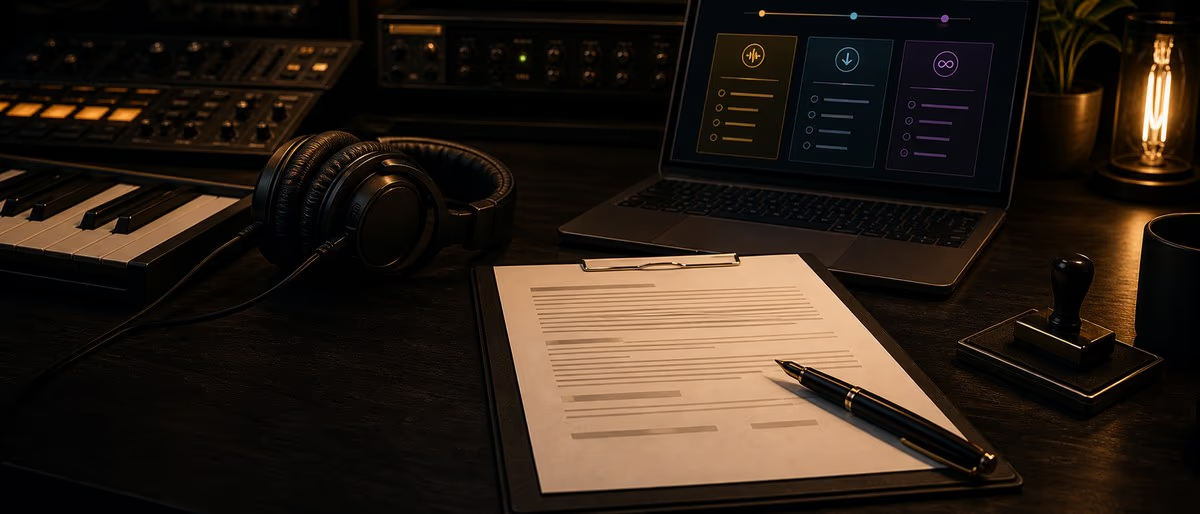
A beat lease is normally a non-exclusive license. The artist may release a song using the beat within defined caps, while the producer can keep licensing the same beat to other artists. The lease does not usually transfer copyright.
What artists should check before upload
Confirm allowed platforms, stream or unit caps, number of videos, paid-ad rights, territory, term, credit wording, publishing split, and whether Content ID or fingerprinting is prohibited.
What producers should keep clear
Use tier names only after the written terms are clear. Save the contract, payment record, file delivery, prior upgrade messages, and any disclosure about existing lease holders.
Jurisdiction and platform cautions
DMCA language is US-specific, EU/EEA consumer and moral-rights rules differ by country, UK collection workflows are separate, and payout or platform access can change in Brazil, Russia, China, Japan/Korea, Turkey/Indonesia, Spanish-language markets, and Arabic-language markets.
Localization note
This is an operational checklist for producers and artists, not legal advice. Use it to prepare questions, documents, and metadata before a qualified local professional or platform support team reviews the final decision. United States, EU/EEA, United Kingdom, Brazil, Russia, China, Japan/Korea, Turkey/Indonesia, Spanish-language, and Arabic-language markets need separate checks for rights, platform access, payment, tax, and enforcement.
Beat lease FAQ
Is this legal advice?
No. It is a conservative operational checklist for preparing documents and questions before legal, tax, society, distributor, or platform review.
Can one English template work worldwide?
Usually no. English source copy can describe the workflow, but United States, EU/EEA, United Kingdom, Brazil, Russia, China, Japan/Korea, Turkey/Indonesia, Spanish-language, and Arabic-language markets need localization.
What should I save before releasing?
Keep the contract, split sheet, licenses, metadata export, payment record, approval messages, and platform screenshots in a dated project folder.
Can I monetize a leased beat on YouTube?
Only if the lease allows it. Many non-exclusive leases allow monetized videos but prohibit Content ID registration.
What happens if I exceed the cap?
Contact the producer before the breach becomes a dispute and document any upgrade or amendment in writing.
Keep the license PDF, receipt, split terms, and upgrade messages with the released master.